Introduction
When it concerns choosing the appropriate product for your paving project in the Bay Location, house owners typically discover themselves at a crossroads. Should you go with interlacing pavers, known for their aesthetic adaptability and toughness, or concrete pieces that offer simplicity and toughness? This post will certainly dig deep right into the subject of Interlocking Pavers vs. Concrete Pieces: Which is Best for Your Bay Area Project? We will check out different variables including expense, maintenance, style choices, installation processes, and environmental impact to assist you make an informed decision.
Understanding Interlocking Pavers
What Are Interlocking Pavers?
Interlocking pavers are private pieces of concrete or brick that mesh without mortar to create a strong surface area. They are available in a variety of forms, dimensions, and shades, supplying limitless layout opportunities.
Advantages of Interlocking Pavers
Aesthetic Appeal- With several designs offered, interlocking pavers can enhance the visual allure of any landscape.
- Made from high-strength concrete or brick, these pavers are made to withstand hefty lots and resist cracking.
- If a paver gets harmed, it can easily be replaced without troubling bordering stones.
- Many interlocking paver systems are permeable, enabling water drainage while lowering runoff.
Disadvantages of Interlocking Pavers
Higher First Cost- Although they conserve money in the future because of reduced maintenance needs, the preliminary investment can be higher than concrete slabs.
- Proper installment needs skilled labor; therefore hiring a seasoned paver installer is crucial.
Understanding Concrete Slabs
What Are Concrete Slabs?
Concrete pieces are large flat areas of concrete poured as one solid piece. They serve as a strong structure for outdoor patios, driveways, and walkways.
Advantages of Concrete Slabs
Cost-Effective- Generally less costly upfront than interlacing pavers as a result of less complex setup processes.
- A single slab can be put rapidly compared to laying specific pavers.
- Once set up, concrete pieces need very little maintenance apart from periodic sealing.
Disadvantages of Concrete Slabs
Limited Style Options- Aesthetically talking, concrete slabs might not offer the same degree of modification as interlocking pavers.
- Over time and with modifications in temperature or ground motion, fractures may create in concrete slabs.
Interlocking Pavers vs. Concrete Slabs: Cost Comparison
Initial Investment Analysis
|Product|Estimated Cost per Sq Ft|| ----------------------|--------------------------|| Interlacing Pavers|$15-$30|| Concrete Pieces|$6-$12|
The cost difference between interlocking pavers and concrete pieces can be substantial depending on products picked and local labor rates in the Bay Area.
Long-Term Expenses: Maintenance and Repairs
While initial costs might recommend that concrete pieces win on price, consider lasting expenditures:
- Interlocking paver upkeep entails simple cleaning and occasional resealing. Cracked concrete might call for costly fixings or resurfacing over time.
Installation Refine: Interlocking Pavers vs. Concrete Slabs
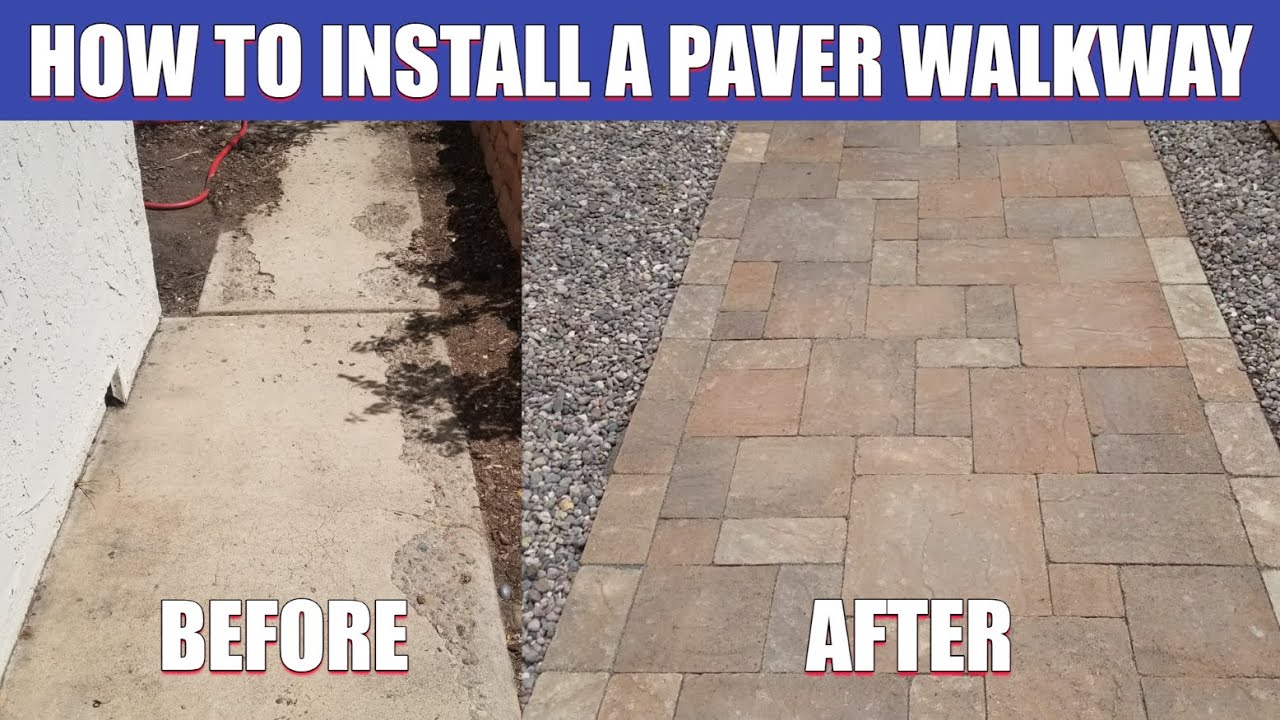
Steps to Set up Interlocking Pavers
Excavation Base Preparation Edge Restraints Installation Laying Down Pavers Compaction Joint FillingA specialist paving installer ensures each step is carried out perfectly for optimal results.
Steps to Install Concrete Slabs
Site Preparation Formwork Setup Reinforcement Placement Pouring Concrete Finishing SurfaceConcrete slab installment has a tendency to take much less time but requires careful progressing to avoid future issues like cracking.
Aesthetic Factors to consider: Design Flexibility
Versatility of Interlocking Paver Designs
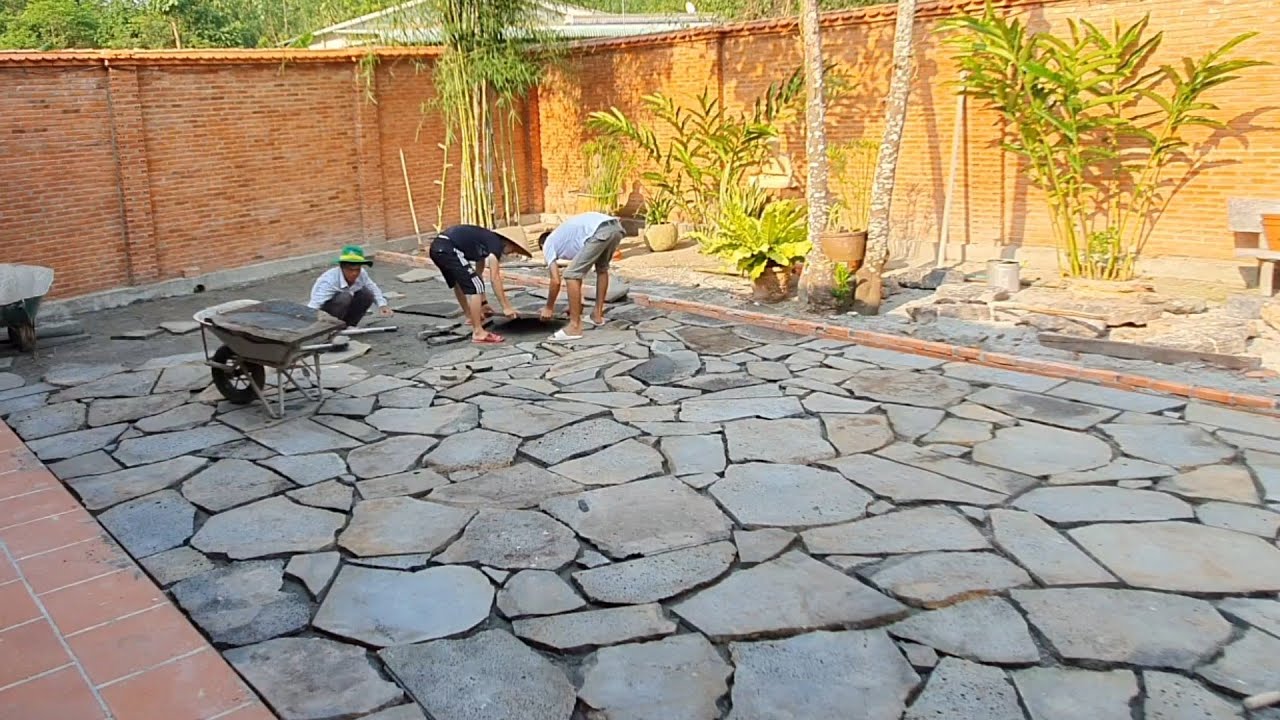
From timeless cobblestone aims to modern geometric patterns, interlocking pavers offer a canvas for creative thinking that numerous home owners appreciate when developing their outdoor spaces.
Concrete Piece Layout Limitations
While you can discolor or mark concrete surfaces for included style, options remain restricted contrasted to the personalized features offered with interlacing pavers.
Environmental Impact: Sustainability Factors
Eco-Friendliness of Interlocking Pavers
Interlocking systems enable rainwater infiltration which aids replenish groundwater resources while decreasing stormwater runoff-- an important factor in environmentally aware tasks in areas like the Bay Location where water preservation is critical.
Environmental Worry about Concrete Slabs
Concrete production gives off considerable greenhouse gases; nevertheless, when mounted its durability can offset some ecological effects with time due its toughness compared https://zenwriting.net/maldorqjvb/h1-b-leading-setup-frequently-asked-questions-what-every-home-owner-in-the to various other materials calling for frequent replacement.
Climate Considerations for The Bay Location Project
Weather Resistance of Interlocking Pavers
The Bay Location experiences diverse climate patterns-- from warm days to stormy spells-- making interlocked systems beneficial due their ability to handle thermal growth without breaking as easily as strong slabs do under stress conditions such as freezing temperatures adhered to by thaws during wintertime months.
Concrete's Efficiency Versus Weather condition Elements
Though resilient against wear-and-tear brought on by vehicular traffic or step pressure; extreme weather variations may endanger slab stability over prolonged periods leading toward repair/replacement requires quicker rather than later!
Maintaining Your Investment: Care Tips for every Option
How To Maintain Interlocked Pavements Effectively?
- Regular Sweeping Occasional Resealing (Every Couple of Years) Prompt Replacement Of Harmed Units
Keeping up with fundamental upkeep makes certain visual appeals remain undamaged while longevity expands beyond common assumptions!
Caring For Your Concrete Surface Properly?
- Sealant Application Every Few Years Immediate Repair Of Cracks Regular Cleansing Utilizing Moderate Detergents
Investing initiative right into treatment currently suggests lower expenses down-the-line when attending to damages brought on by neglect!
Choosing Between Both Choices Based Upon Lifestyle Requirements & Preferences!
Every property owner has unique demands influencing their choices; whether focusing on appearances versus utility issues considerably specifically if preparation occasions held outdoors frequently while entertaining visitors year-round!
Frequently asked question Section
What are the main distinctions between interlacing pavers and concrete slabs?
Interlocking pavers provide visual versatility and easy repairs while concrete pieces often tend towards reduced first expenses yet restriction customization options substantially with time due mainly because fracture repairs end up being increasingly typical after years spent subjected outdoors!
How much do interlocking pavers cost?
Typically varying from $15-$30 per square foot based on numerous aspects consisting of materials picked along with complexity involved concerning setup initiatives required thereafter!
Are there environment-friendly alternatives amongst these 2 materials?
Definitely! While both have pros/cons worth considering very closely-- interlocked systems especially assist handle stormwater properly decreasing drainage pollution when mounted properly whereas conventional concrete generates significant exhausts throughout manufacturing phases total impacting setting adversely across generations ahead!
How long does it take to install each option?
Depending greatly upon site conditions/installers availability/experience-- a lot of setups complete within simply eventually although bigger tasks can stretch timelines out further!
Can I install either kind myself?
While DIY lovers may attempt such jobs effectively-- it's strongly suggested hiring specialists specializing specifically within paving setups offered intricacies included making sure top quality workmanship achieved throughout entire process resulting eventually useful outcomes taken pleasure in afterward!
What's even more durable in high web traffic areas?
Generally speaking-- interlocked systems outshine solidified surface areas when subjected continuously sustaining hefty footfalls since they distribute weight equally avoiding localized anxieties forming cracks or else inescapable otherwise occurring or else existing where traditional piece structures set formerly ended up being compromised prematurely as well soon!
Conclusion
In conclusion-- the option between interlocking pavers versus concrete slabs condenses mainly personal preference along with sensible factors to consider specific customized individual needs/preferences demonstrated plainly throughout evaluation performed right here today! While both have one-of-a-kind benefits worth exploring extensively-- those looking for aesthetic adaptability paired durability could lean towards picking beautiful yet resistant options offered via tailored designs found exclusively within world detailed virtuosity represented utilizing spectacular varieties available only via extraordinary craftsmanship included generating high quality products supplied within industry conventional practices consistently stuck strictly adhered ensuring long-term contentment attained ultimately guaranteed making certain peace-of-mind continually maintained without delay supplied without fail every step trip taken starting end alike!